
Preamble
I’ve never had my thumb on the pulse of the cultural zeitgeist. Not in any meaningful or profitable way, at least. I was watching Breaking Bad back when people still thought it was just “that dad from Malcolm in the Middle trying to be serious,” and by the time everyone else caught up and started watching, I had already eschewed it in favor of my interest in obscure dinosaur movies – things like Dinosaur Planet, Caveman (the one with Ringo Starr), Gorgo, and Q: The Winged Serpent. I clung to Dino-Riders long past its expiration date, and I’ve probably rewatched Twin Peaks more times than is healthy. I still queue up episodes of Reaper like it never got canceled, and I’ll happily binge through a stack of blaxploitation films like the rest of the world isn’t two algorithm-driven genres ahead.
And while it’s great to find others who dive deep into specific passions – niche communities dedicated to kung fu cinema, Godzilla lore, classic comic runs, and so on – I’ve never really fit into any of them. My taste is too eclectic and, fair weather – but weather of the mind. Too broad. I’ll be obsessing over Godzilla one week, but not interested enough to keep up with the fan discourse. I’ll read every Fantastic Four comic from Lee and Kirby to North and still hesitate to call myself an expert. I’m the jack of all mediums, master of none.
Which is a very long-winded way to say: I often love things that barely anyone else does. And it’s a shame. It’s one of the few things about fame that seems genuinely appealing to me – the ability to steer the conversation. To shift, even slightly, the cultural weather. To point at a thing I love and say, “Look! This! This deserves your time!!” That’s always been part of the dream: not just to create something that resonates, but to drag some favorite forgotten things back into the light with me.
So today, I’m performing a simple task: what are the TV shows we let disappear that deserve better?
I’m going to limit this to TV shows rather than movies or comics (though I could easily go off about Dial H or Age of Reptiles). Shows that were too weird, too quiet, too misunderstood, or just plain unlucky. Shows that barely got the time of day but meant something anyway.
Let’s talk about those.
A Caveat
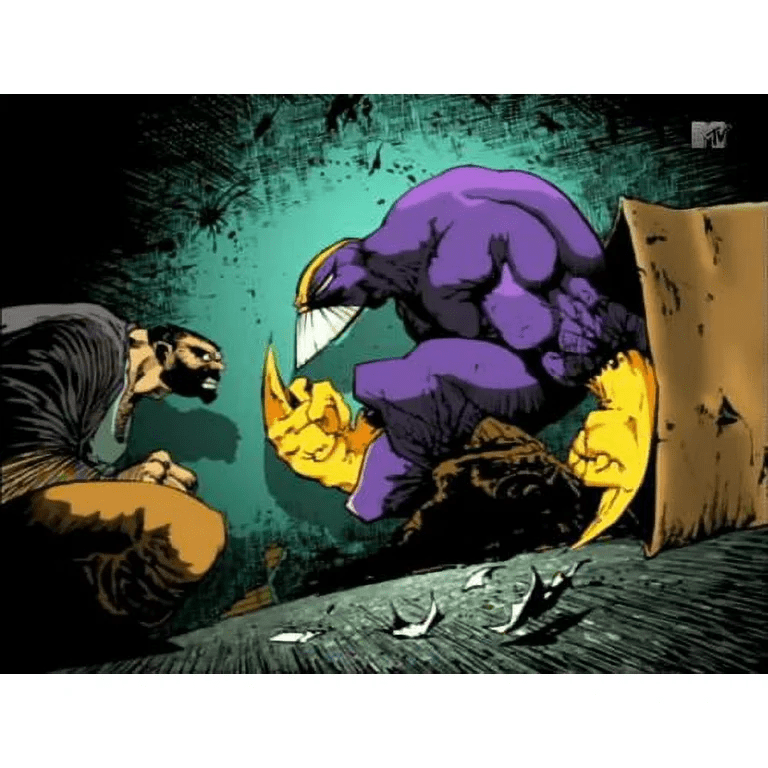
Before diving in, let’s set some ground rules. There are plenty of shows I adore that aren’t here, not because they don’t deserve love, but because they’ve already crossed that invisible threshold into timeless classic. The Maxx, for example, is still one of my all-time favorites, but it’s well-loved in its corner of the world and continues to get praise decades later – that said, it WAS cancelled too soon… there was so much more story to tell that it feels like an absolute travesty that we didn’t get it fully realized. Twin Peaks may have vanished from TV in the early ‘90s, but it’s since been canonized as required viewing for anyone who wants to pretend they understand surrealist television – and regained much of its needs in the 2017 The Return.
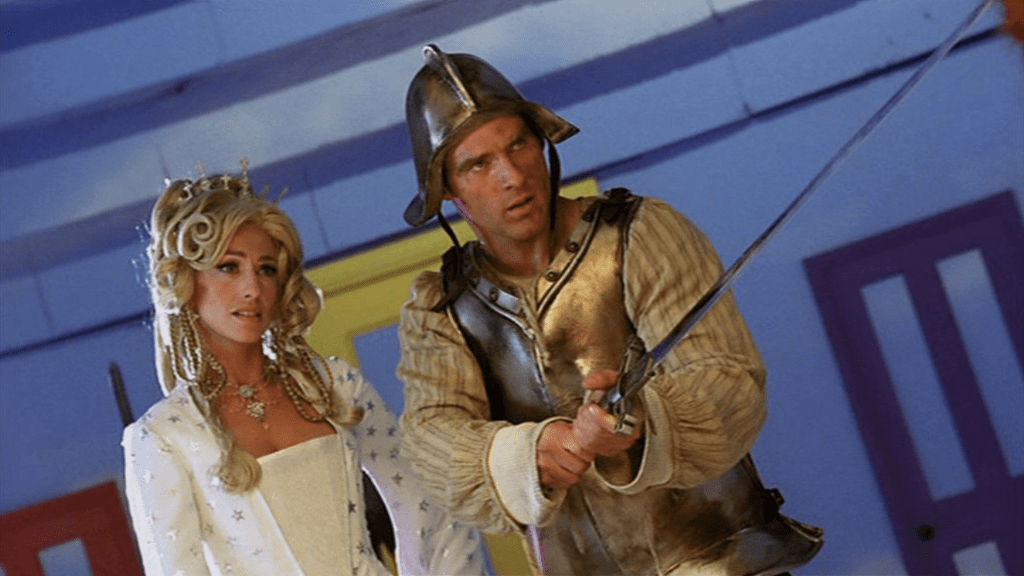
The same goes for Farscape – one of my favorite sci-fi shows ever, right alongside Stargate SG-1. Farscape suffered a brutal hiatus but ultimately got a proper ending through The Peacekeeper Wars. And Stargate SG-1? Ten seasons, multiple movies, and multi-season spinoffs speak for themselves. These shows aren’t in danger of slipping away; they’ve got their cult legacies secured.
The point here isn’t to relitigate the greatness of shows that already earned their status. It’s to shine a light on the ones that didn’t – the ones that got swallowed by bad scheduling, network meddling, audience apathy, or just plain bad luck. These are the ones I want to drag back into the conversation before they slide completely into obscurity.
The List
The Invisible Man (2000–2002, Syfy)
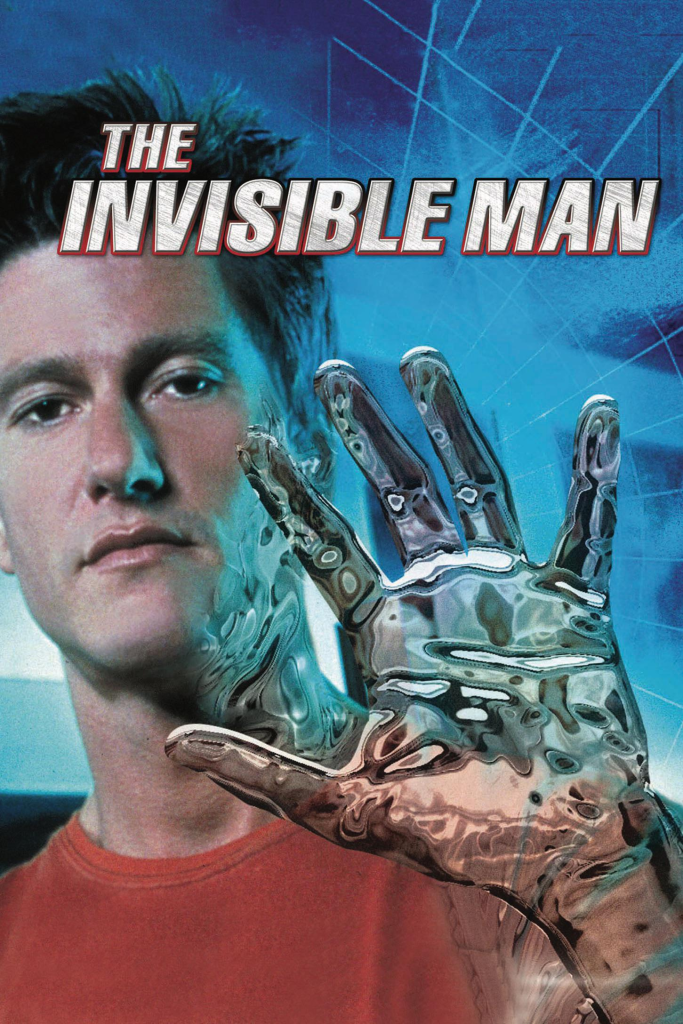
This wasn’t a prestige drama or a tentpole sci-fi series – it was a modestly budgeted, slightly goofy Syfy Channel show about a thief who gets injected with a gland called Quicksilver that turns him invisible. On paper, that should have been a forgettable gimmick. Instead, it gave us a surprisingly smart blend of espionage, humor, and genuine chemistry between the leads. What really elevated it was the buddy-cop dynamic between Darien Fawkes (Vincent Ventresca) and Bobby Hobbes (Paul Ben-Victor). Their synergy remains one of the best examples of a lead-and-partner relationship I’ve ever seen. Ben-Victor in particular stood out – it’s the only time I’ve seen him play a non-gangster role, and he nailed it.
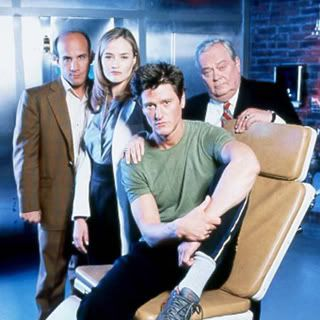
Part of the show’s charm was how it managed to be cheesy enough to make me laugh out loud, wacky enough to spin out strange and unique storylines, and still occasionally terrifying. The best example was Fawkes’s constant struggle with “Quicksilver Madness” – when too much of the substance built up in his bloodstream, his eyes would glow red and he’d become uncontrollably violent. Those scenes were genuinely scary, and Ventresca carried the weight of them with far more gravitas than anyone expected from a cable sci-fi actor.
Of course, the cracks showed too. The budget became a major hindrance as the show went on. The pilot and first few episodes had clearly been shot with more money behind them, but as the series continued, the cheap sets became harder to ignore. Despite that, the heart and energy of the cast kept me invested.
The show only lasted two seasons before Syfy pulled the plug. And here’s where I admit I was probably part of the problem. I own the DVDs, but even now, I’ve never actually watched it all the way to the end despite how much I liked it. Maybe that’s the ultimate sign of why it failed – it was good enough to win fans, but not quite strong enough to demand full commitment from them week to week. Still, I can’t help but wonder what might have been. Where are those actors now, especially Vincent Ventresca? What directions would they have taken the story?
If I could bring it back today, I wouldn’t ask for a full revival. I’d want a short, self-contained miniseries – a “where are they now” story that checks in on Darien and Bobby years later, gives us one final case, and lets them go out with the proper send-off they never got.
Touching Evil (2004, USA)
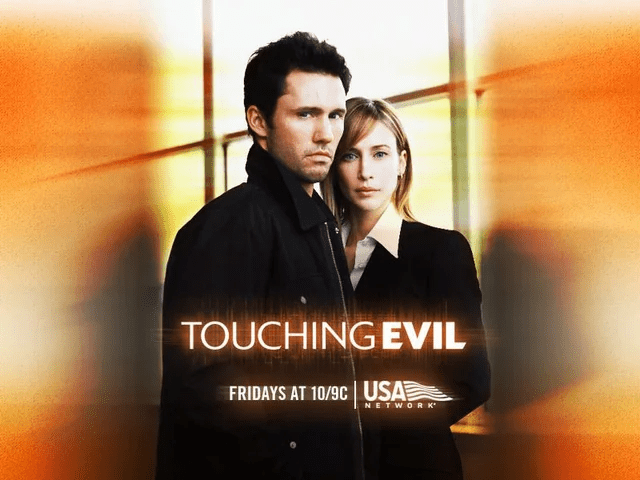
I never saw the British original, but the American remake had an odd, unsettling charm that hooked me immediately. On the surface, it was just another police procedural, which I’m normally incredibly averse to. I’ve never been much for shows that follow the “case of the week” formula – too neat, sterile… predictable. Gratefully, Touching Evil did not feel like one. It had a strange tone, a kind of quiet discomfort running through it that made it feel less like “copaganda” and more like a psychological study with guns and badges as set dressing.

The main reason it stood out was Jeffrey Donovan. This was my first time seeing him – years before Burn Notice and Fargo – and he gave his character an odd vulnerability. There was a twitchiness to his performance, a quiet weirdness that made you feel like this wasn’t just another detective with a tragic backstory, but a man permanently altered by trauma. You couldn’t imagine him snapping back to “normal” once the credits rolled. There was something broken there, and it made him fascinating to watch.
Like The Invisible Man, the show wasn’t without flaws. The limited budget and USA Network’s constraints sometimes held it back. It wanted to be more serialized, more atmospheric, but was forced to keep one foot in the familiar procedural pool. Even so, it lingered with me longer than most shows of its type ever could.
And again, here’s where I have to admit I was part of the problem. I never finished the show. I liked it, even loved what I saw, but for one reason or another I drifted away and never came back. That seems to be a recurring theme with a lot of the shows on this list: I champion them now, but I wasn’t there every week keeping them alive when it counted.
If I could bring Touching Evil back today, I’d make it a limited series revival with Donovan reprising his role. Same unsettling tone, same quiet weirdness, but without the pressure to tack on procedural elements for mass appeal. Let it be serialized, let it dig deeper into the psyche of a man haunted not just by the crimes he investigates, but by his own fractured self.
Reaper (2007–2009, The CW)
The one that got away. Reaper took a premise that could’ve gone either way – a slacker discovers his parents sold his soul to the Devil, and now he’s stuck working as Hell’s reluctant bounty hunter – and nailed it with a perfect mix of supernatural adventure and workplace comedy. On paper, it sounds absurd. On screen, it was even more absurd. But it SO GOOD!
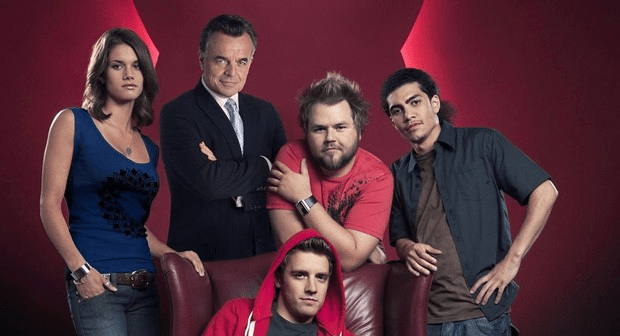
The real strength of Reaper was its cast. Bret Harrison brought just the right amount of reluctant, everyman charm to Sam, the unlucky soul at the center of it all. Ray Wise as the Devil was a revelation – smooth, menacing, and so charismatic that you almost wanted him to win. As someone who utterly loves Twin Peaks, seeing Leland Palmer himself step into the role of the Devil felt like a gift. Wise gave the Devil a kind of gleeful sophistication that made every one of his scenes magnetic. Last, and most certainly not least, is Tyler Labine – who chewed through every scene like a Pac-Man permanently affixed to one of those big balls. He was operating at peak Labine, delivering the kind of chaotic best-friend energy that fans of Tucker & Dale vs. Evil will immediately recognize. The dynamic between the show’s trio – including Rick Gonzalez as Ben, who was also quite good but nowhere near the show-stealer that Labine was – was the show’s anchor, and it never wavered. On top of that, the love story between Sam and Andi (played by Missy Peregrym) added a layer of heart that balanced out the supernatural comedy. It wasn’t just about capturing escaped souls – it was about a guy trying to figure out how to be in love and live a normal life when the Devil literally owned him.
One of the things I loved most about Reaper was how much fun it had with its premise. Every week brought a new escaped soul to capture, each one bizarre in their own way, and it gave the show an excuse for wacky gadgets, slapstick moments, and outlandish scenarios. It was genuinely funny – the kind of comedy that made you grin just thinking about certain scenes days later. At the same time, it tried to weave in heavier stakes: questions of morality, the weight of eternal damnation, and Sam’s struggle to carve out a normal life under impossible circumstances. If there was one drawback, it’s that the levity sometimes undercut those darker moments. The show never quite convinced you that things could get too dire, because you knew it would swerve back into comedy before long.
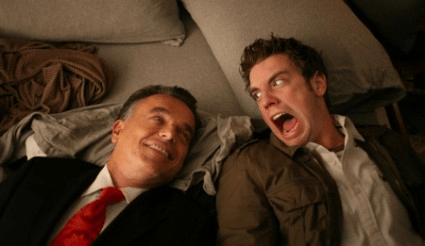
And then it ended. Abruptly. On a cliffhanger. A genuine tragedy. A show this good deserved better than leaving its fans dangling forever. The worst part is that the showrunner, when asked later, was very upfront about where the story was supposed to go. That transparency was a gift, but also a curse – it gave us a glimpse of what could have been, which made the cancellation sting even more.
If I had the power to bring Reaper back, I wouldn’t reboot it. I’d pick it up right where it left off, only set a few years later to account for the cast’s ages. Keep the core trio, keep the tone, but adapt it to the modern TV landscape with tighter seasonal arcs – 8 to 12 episodes instead of the bloated 20+ episode runs of the 2000s. Give it the chance to tell its full story without filler. And let the Devil keep grinning his way through every scene, because television has been poorer without him.
Generator Gawl (1998, ADV Films)

This was a middle school discovery for me. This came at a time when I was having falling outs over anime in general. My puberty was having me attempt to be cooler than I really was so I was averse to all things nerd in random spurts that I wish I could forget, but somehow this show pierced that veil and found its way into my heart. An anime that struck a balance I rarely find even now seemed to be the magical cure-all: humor, heart, and action in equal measure. The story followed three time travelers trying to prevent a dystopian future, but the real magic wasn’t in the sci-fi plot mechanics. It was in the interplay of the characters.
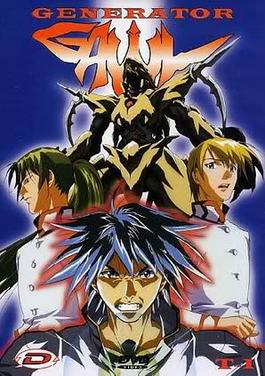
What stood out most was the relationship between the two romantic leads. Their constant bickering was hilarious, full of sharp timing and snappy comebacks, but beneath the jokes you could feel how much they truly cared for each other as the series progressed. The writers nailed that fine line between irritation and intimacy, and it gave the show an emotional backbone. Some of the funniest moments in the series came from their interactions, and I can still remember laughing out loud at scenes that undercut the heavier science-fiction beats with pure character comedy.
Visually, Generator Gawl was inconsistent, but in a way that made its high points unforgettable. The animation budget was clearly limited, yet every so often it would kick into high gear for a brief fight sequence or emotional climax. Those fleeting moments of fluid, detailed animation were stunning – like lightning in a bottle. They stood out even more against the show’s otherwise modest presentation, making them feel like sudden jolts of adrenaline.
Sadly, Generator Gawl never got the recognition it deserved. It wasn’t a breakout hit in Japan, and in the U.S. it was quietly licensed by ADV Films, which has been defunct since 2009. That means the odds of it ever getting a revival or even a proper Blu-ray release are slim. Someone would have to pick up ADV’s dead license, and given the show’s obscurity, that feels like a hard sell.
If I had my way, though, I’d love to see it remastered and reintroduced to a new audience. At minimum, a Blu-ray release with a proper remaster would be enough. In a dream scenario, it might even be remade in the current wave of anime reboots (Rurouni Kenshin, Ranma ½, etc.), with better animation and a new voice cast – though I’d be desperate to see it capture the same heart and comedic spark of the original. More realistically, this feels destined to remain a buried gem. But to me, it’s one of the funniest, most heartfelt little shows of its time.
Wonderfalls (2004, Fox)
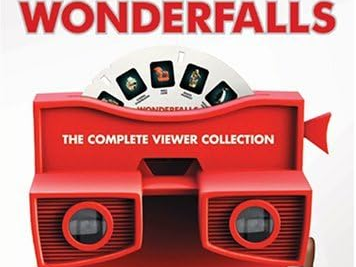
A cynical cousin to Joan of Arcadia, Wonderfalls followed Jaye, a disaffected twenty-something working a dead-end retail job at a Niagara Falls gift shop, who suddenly begins receiving cryptic advice from inanimate objects. Where Joan leaned into earnest optimism, Wonderfalls thrived on sarcasm and cynicism. Its messages weren’t comforting divine pronouncements but frustrating riddles delivered through tchotchkes and trinkets, often leaving Jaye more exasperated than enlightened. That edge was what hooked me – the idea that guidance could come wrapped in snark and inconvenience felt far more real than tidy “messages from God.”
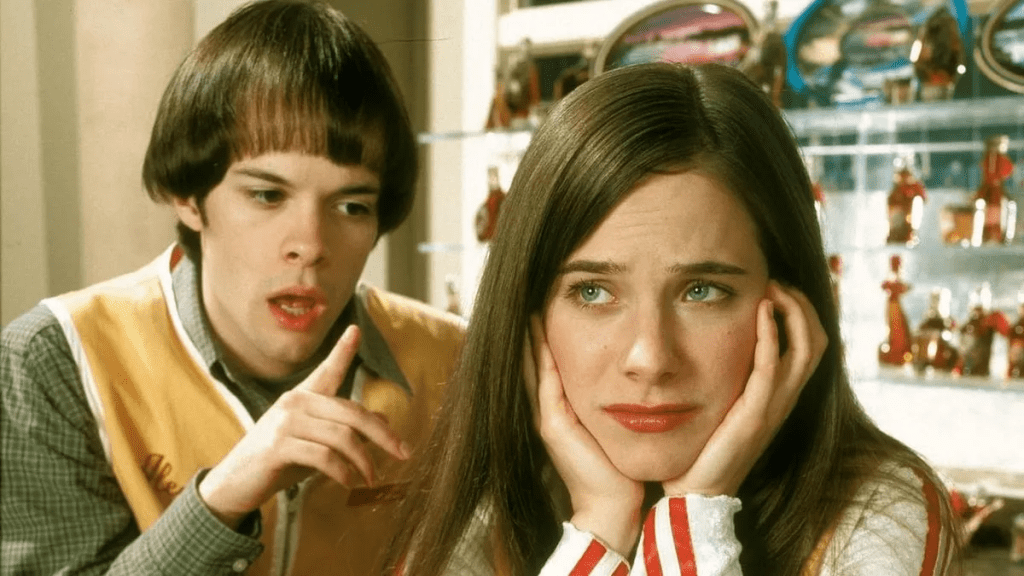
Bryan Fuller, who would go on to create Pushing Daisies and Hannibal, was behind it, and his fingerprints were all over the show. He balanced whimsy with darkness, absurdity with genuine emotion. Jaye’s interactions with the talking objects often played like deadpan comedy sketches, but underneath was a sincere exploration of directionless young adulthood – the feeling of being shoved toward responsibility whether you asked for it or not. It had exactly my kind of humor: quirky, sarcastic, and a little bit biting, but still with room for tenderness.
The tragedy of Wonderfalls is how quickly it was cut down. Only four episodes aired on Fox before it was yanked, even though thirteen had been produced. It never had a chance to find its audience, and by the time word of mouth spread, it was already gone.
If I had my way, the show wouldn’t need a full revival. What I’d love is a movie or limited special similar to Veronica Mars (and maybe even a revival series to come after if it is successful enough, ALSO in the vein of Veronica Mars) – one last check-in on Jaye years later, to see what she’s doing now and whether the objects are still nudging her along. Just one more round of cryptic marching orders, sarcastic as ever, to remind us that sometimes the universe doesn’t whisper comfort – it mutters snark through a wax lion.
Titus (2000–2002, Fox)

Based on Christopher Titus’s stand-up and life, Titus was one of the most innovative sitcoms of its era. It wasn’t just another multi-camera laugh-track comedy – it mixed live-audience scenes with “neutral space” monologues, surreal flashbacks, and deeply personal stories. It was unafraid to get dark, often tackling issues like alcoholism, abuse, and dysfunctional family dynamics, but it did so without losing its sense of humor. That blend of raw honesty and comedy made it stand out in a television landscape dominated by safer, more formulaic sitcoms.
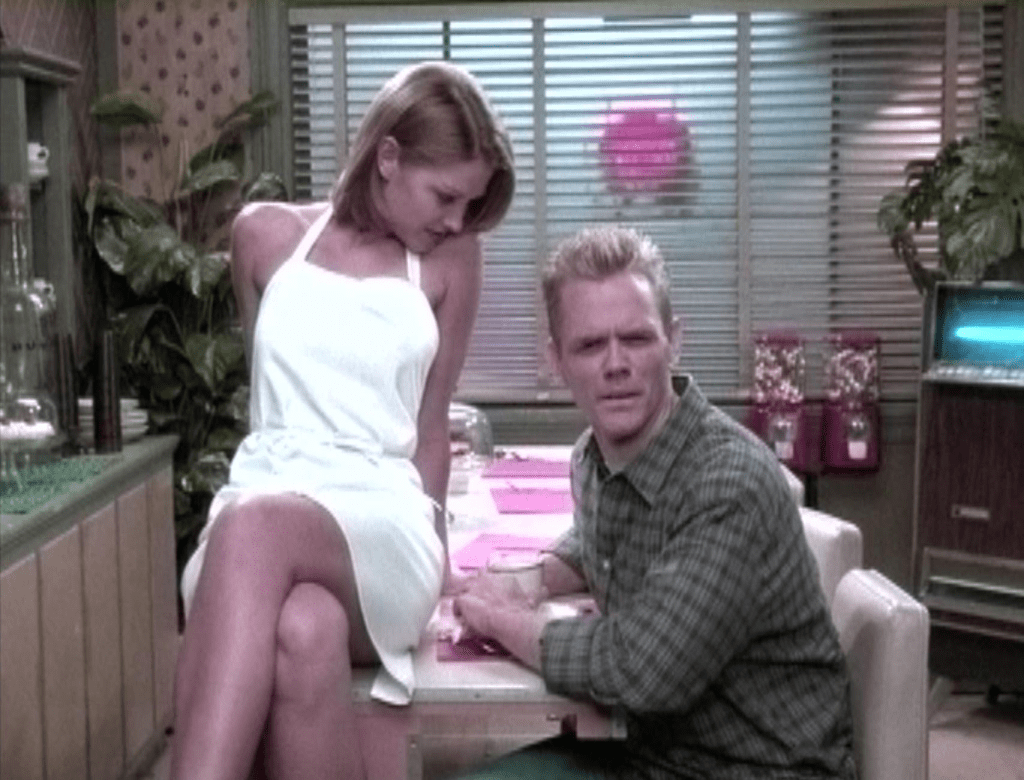
Stacy Keach as Ken Titus – the domineering, sarcastic, and borderline sociopathic father – was a masterstroke of casting. He gave the show a gravitas that balanced Christopher Titus’s manic energy. Keach could turn a simple one-liner into a gut punch, grounding the comedy in a way that made the family dynamic both horrifying and hilarious.
What I admired most about Titus was its willingness to break form. It wasn’t afraid to let jokes fall away for uncomfortable silences, or to stage entire episodes in abstract, minimalist “neutral space” sets that let Titus comment directly on the absurdity of his life. It pushed the boundaries of what a sitcom could be, while still being genuinely funny.
And yet, despite its strengths, the show never built the kind of lasting recognition it deserved. Maybe it was too dark, too different, or just too far ahead of its time. Whatever the reason, it’s shocking how little it’s talked about now.
Unlike some of the other shows on this list, I don’t think Titus needs a revival. Its three-season run told the stories it needed to tell. What it does need is preservation. A full Blu-ray release of the entire series would go a long way toward giving it a second life – letting new audiences discover one of the boldest sitcoms Fox ever aired, and reminding old fans just how sharp it really was.
The Norm Show / Norm (1999–2001, ABC)
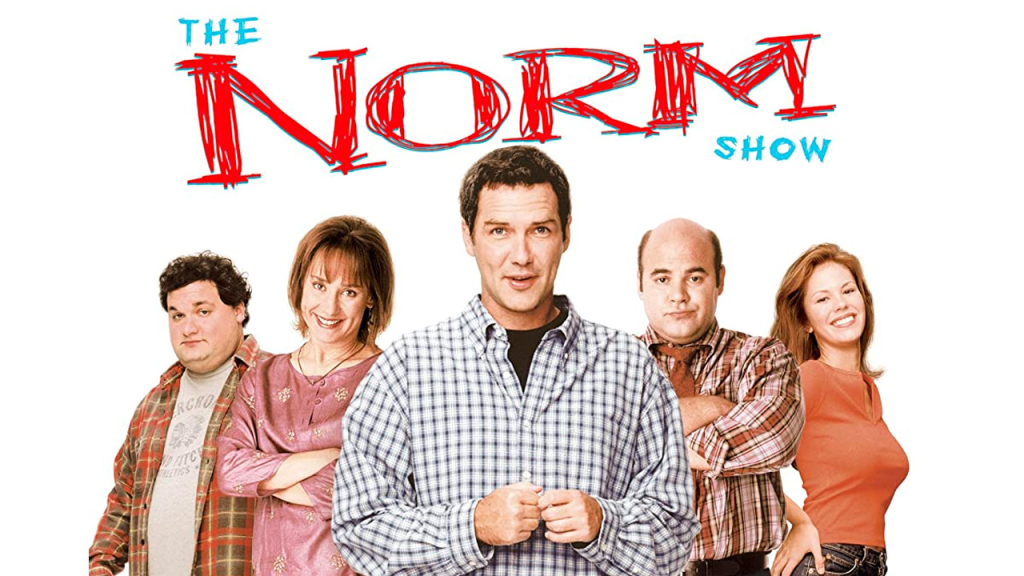
Norm Macdonald is one of my favorite comedians of all time, right alongside Bill Hicks, George Carlin, and David Cross. His dry humor, deliberate pacing, and refusal to play by anyone’s comedic rules was unmatched, and far ahead of its time. It’s funny to look back and realize that as a kid, his Weekend Update on SNL was my least favorite segment. Now, as an adult, I can watch those same clips again and again and again, and they only get sharper with age.
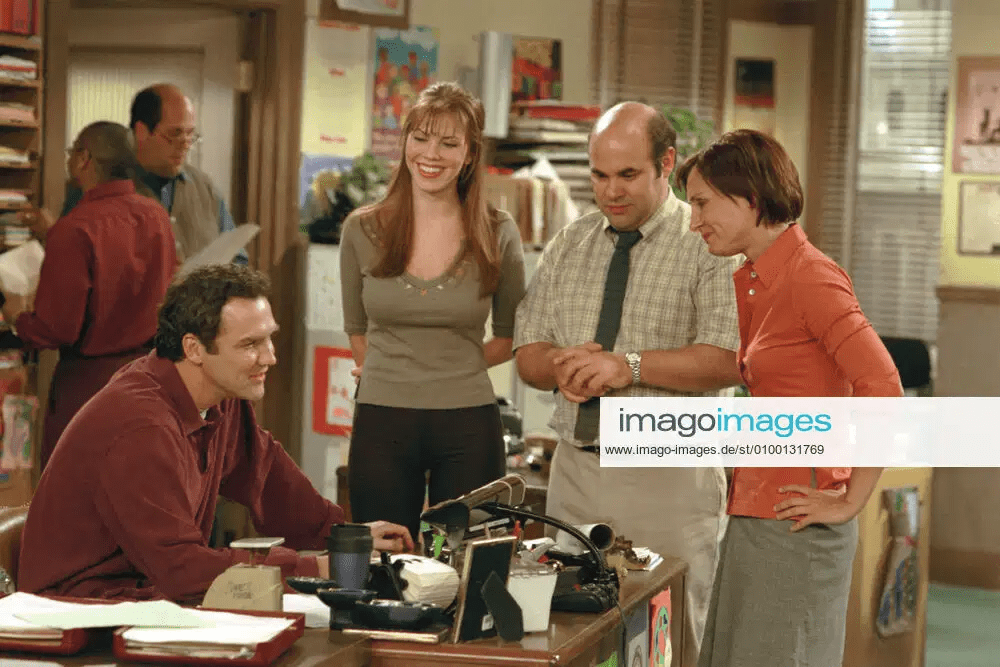
So maybe it’s no surprise that The Norm Show worked for me as well as it did. On paper, it sounded disposable: Norm Macdonald as a disgraced hockey player sentenced to community service as a social worker after a gambling scandal. But in practice, it was far funnier than it had any right to be.
Norm’s delivery was the secret weapon. He had a way of tossing off lines so casually that you’d almost miss the joke, only to catch it a beat later. The humor wasn’t in the setup and punchline so much as in his timing, his tone, and that perpetual smirk that made you feel like maybe he was laughing at a joke only he knew. Laurie Metcalf as his supervisor was a perfect foil, grounding his smarmy presence and giving the show a little more balance.
What I loved most was how it consistently overperformed expectations. Sitcoms of that era often leaned broad and safe, but Norm slipped in jokes that were sharper, darker, and more absurd than you’d expect from a network comedy. It felt like the writers realized they had a unique voice in Norm and decided to let him go off-script, figuratively if not literally.
And yet, despite how funny it was, The Norm Show barely gets talked about today. Even after Norm’s passing – when you’d think people might rediscover it as part of his legacy – it hasn’t really resurfaced. That feels like a missed opportunity, because it’s one of the best showcases of what made him such a singular talent – even moreso than Dirty Work (which I also loved).
This doesn’t need a reboot. It just needs visibility. A remastered Blu-ray release or streaming home would be enough to put it back in front of audiences who never saw it the first time, and to remind those of us who did just how sharp it really was.
Murder One (1995–1997, ABC)
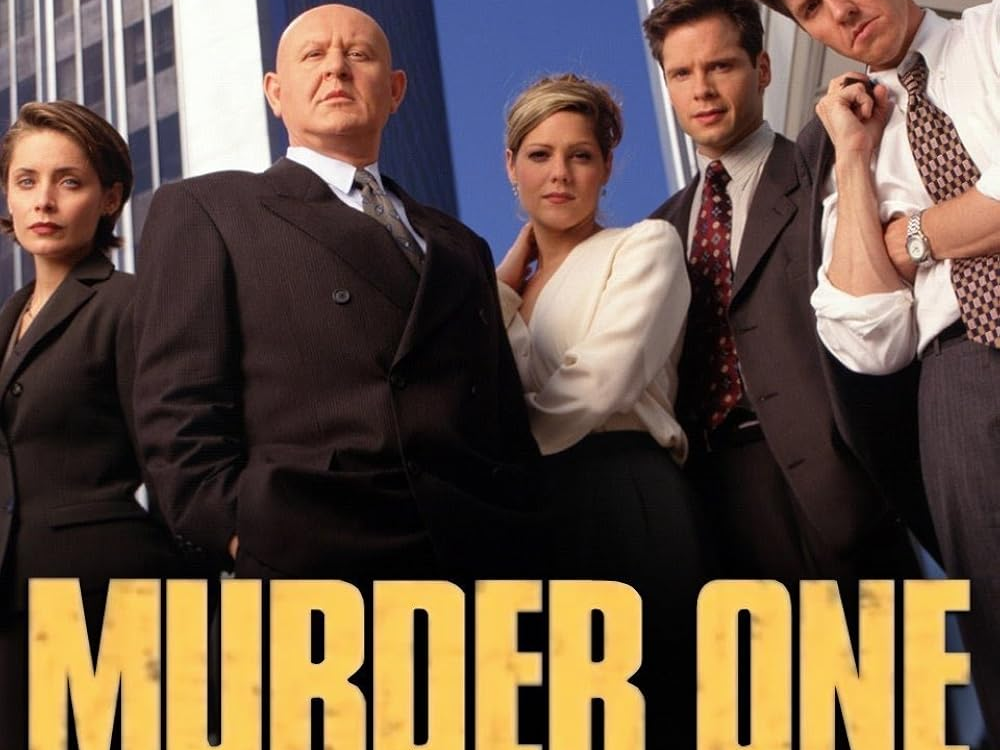
Season 1 of Murder One was a revelation. At a time when most legal dramas were episodic “case of the week” stories, this show broke the mold by following a single murder trial across an entire season. It was bold, ambitious, and far ahead of its time – serialized television before serialized television became the norm (though still a mere following in the footsteps of Twin Peaks, the greatest show of all time). The ensemble cast carried the weight beautifully, delivering compelling performances that made the trial feel like more than just courtroom drama. The only drawback was its overbearing piano score, which sometimes swelled so dramatically it pulled you out of the moment. But even with that caveat, the show was electric.
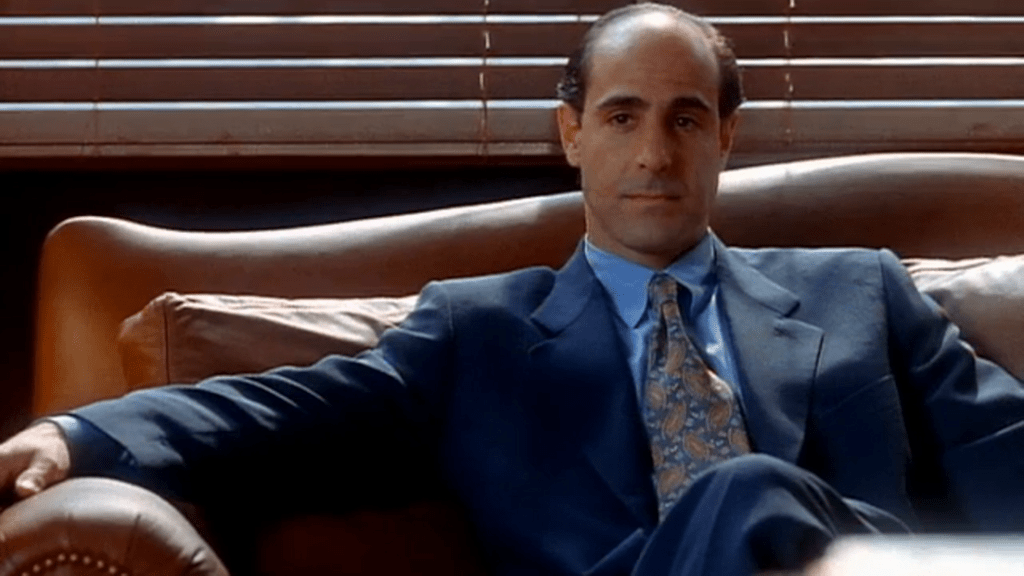
Season 2 couldn’t quite live up to the impossibly high bar set by the first year. The story fractured into smaller arcs instead of one overarching case, and it lost some of the unique focus that had made Season 1 so special. That said, it’s important to emphasize that it was still better than most television airing at the time. The writing, performances, and structure all remained strong – albeit not quite the lightning-in-a-bottle that Season 1 had managed.
What I loved about Murder One was its potential. As a semi law-procedural, the concept offered nearly endless possibilities: one case, one season, each with its own arc and cast. That structure lends itself perfectly to a modern anthology revival. If I could bring it back today, I’d ramp it up to prestige-TV levels – HBO Max or FX style. Think True Detective or Fargo, but set firmly in the legal world. Big-name actors anchoring each season, prestige writing teams bringing the nuance, and no fear of leaning into the messy morality of the courtroom.
I can picture it clearly: Matthew McConaughey as a disgraced Southern attorney in Season 3, giving it that Goliath-style grit. Meryl Streep as a brilliant but compromised defense lawyer, with Al Pacino as the aging, larger-than-life defendant, in Season 4. That’s the kind of star power and dramatic heft a modern Murder One could attract.
The original was ahead of its time, but maybe the time has finally caught up to it. Done right, it could be a tentpole series that not only revives the spirit of the original but surpasses it, cementing Murder One as the classic it always should have been. But good god, get a different composer.
Homeboys in Outer Space (1996–1997, UPN)
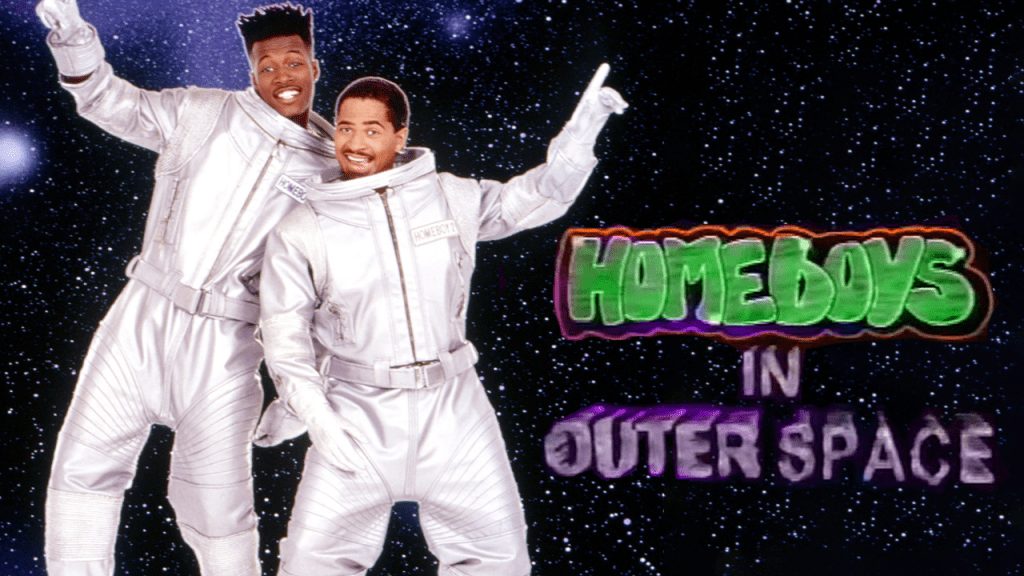
This one’s less about quality and more about the sheer oddity of it existing at all. Homeboys in Outer Space was a sitcom about two Black astronauts traveling the galaxy with a wisecracking onboard computer. That’s about as much as I can clearly remember. I couldn’t tell you the plot of a single episode, but I distinctly recall it airing around the same block as Moesha and that I loved watching it as a kid.
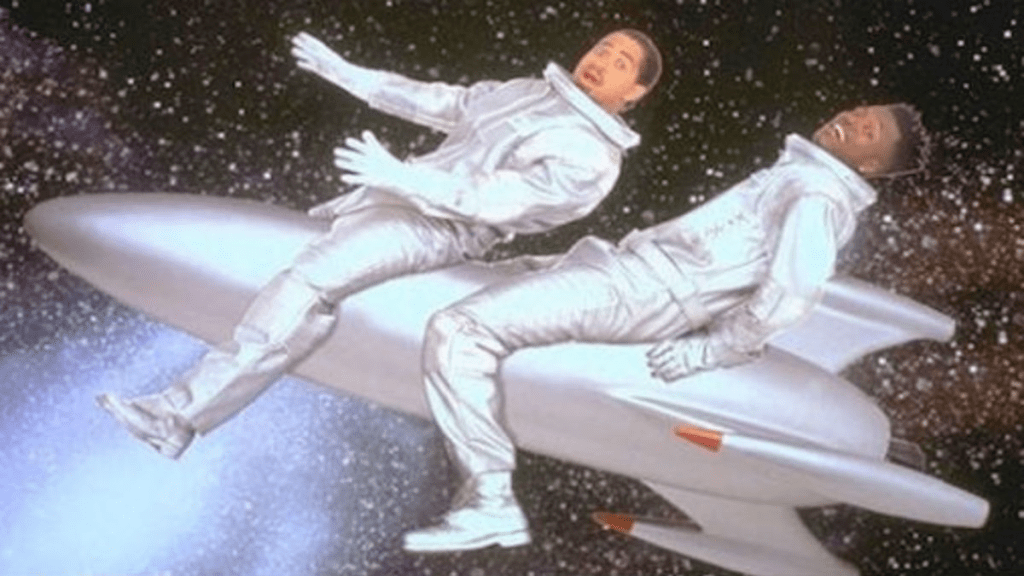
Was it actually good? I honestly don’t know. The reviews at the time were scathing, and it’s often brought up as one of the worst shows UPN ever aired. But the strangeness of it – the very fact that it was greenlit, produced, and aired in primetime – makes it unforgettable in its own way. It’s almost like a fever dream I can’t shake, and for that reason alone, it earns a spot here.
If anything, I want to revisit it with fresh eyes just to see if it really was as bizarre (or bad) as people said. Not everything on this list is here because it was a hidden masterpiece. Some things are here because they simply shouldn’t be forgotten.
Boomtown (2002–2003, NBC)
Boomtown was one of the most narratively ambitious crime dramas of its era, and maybe that was part of the problem. At its core, it was a police procedural, but what set it apart was the way it told its stories: shifting perspectives, nonlinear timelines, and Rashomon-style retellings that revealed new truths with each pass. Instead of a single straightforward crime-of-the-week, you’d see the same event from the eyes of cops, paramedics, lawyers, journalists, even the criminals themselves. It was bold, stylish, and unlike anything else on network TV at the time.
The ensemble cast was stacked, too. Donnie Wahlberg, Neal McDonough, Mykelti Williamson, and others brought weight to roles that could’ve been archetypes in a lesser show. The shifting perspectives gave each of them real moments to shine, and when it worked, the show felt like prestige TV smuggled into primetime.
But ambition isn’t always rewarded, especially on network television. The nonlinear structure and willingness to experiment made it harder for casual viewers to follow, and ratings slipped. NBC, in their infinite wisdom, responded by stripping away the very elements that made it unique. By Season 2, the experimental narrative structure was largely abandoned in favor of more straightforward storytelling, and the show quickly lost steam before being canceled outright.
Here’s where I admit my own guilt: I never finished the first season. I loved what I saw, but for whatever reason I drifted away and didn’t come back. I was part of the problem, once again – one of the viewers who didn’t stick around long enough to give the show the numbers it needed. I’m noticing a pattern of my own behavior contributing to these shows’ failures! WHO AM I!?
If Boomtown were to come back today, it would be a natural fit for streaming. Freed from the weekly ratings grind, its nonlinear structure could shine without compromise. Viewers who are now used to bingeing complex, layered shows like Westworld or Dark might be more willing to embrace its perspective-shifting style. With the right team behind it, Boomtown could finally realize its potential as one of the most daring crime dramas ever aired on network TV.
The original run fizzled, but the idea behind Boomtown was too good to let fade completely. It deserves at least a second look – not just as a curiosity, but as a show that was genuinely ahead of its time.
Closing Thoughts
There are a myriad of shows ripe for the picking that could fit this list – some I never got around to, some I barely remember, and some that have already slipped too far into the recesses of memory. That’s the beautiful tragedy of underrated gems – you don’t know it’s a gem until you find it, and finding it is far more difficult. You don’t know it’s disappearing until it’s gone. Without reruns, streaming deals, or loud fandoms to keep them alive, they just fade out of the cultural weather system, leaving only light breezes pushed into the minds of the people who loved them.
Maybe that’s the small victory of writing something like this. Putting these names back into circulation is a way of doing my part – however small – to keep them alive for just a little bit longer. I can’t single-handedly change the cultural tide, but I can use the incredibly tiny platform I have to shine a light on these shows and say: These Mattered. These deserve remembrance.
So what is your list? Which shows did you love that no one else seems to talk about anymore? Which gems slipped away before they ever got a chance to spread their wings and fly? Maybe together we can drag more of these back into the world – one rad show at a time!

 Ginothy Tonic
Leave a reply to The Brass Casanova Cancel reply