
If you’ve ever known someone addled with ADD or ADHD, you’ll know one thing that is glaringly obvious about them: their intense hyper fixation on specific things dwarfed only by their lack of impulse control regarding said hyper fixation.
Last week I had written an ode to the idea of setting in fiction. Did you think it was over from there? Well think again. It’s high time I subjected a dear reader to my own hyper fixating neurosis. This time, though, I promise to make it more digestible – that’s right: another listicle.
The following list will be any form of fiction that has a setting that appealed to me in a way many others don’t. I am trying hard not to go for the obvious ones so if you’re looking for Lord of the Rings, it’s not going to be here. Get ready for me to break my own rules because this is going to be heavily off-the-cuff.
1. The Watchmen

The first two on this list are obligatory. I mentioned them both in my last article and I’m going to mention them again here because I still want to talk about them forever.
I was a surprisingly late bloomer when it came to my love of comic books as a kid considering the family I was born into. My dad had been reading and collecting comic books since long before I was even born, and he hadn’t stopped and still hasn’t stopped to this day. The first comic that pushed me toward reading more was Peter David’s Incredible Hulk, but the first book that cemented a deep obsession within was The Watchmen.
I know. “You said you weren’t doing obvious ones!” and now I’m already breaking my vow. Like I said, this and the next one are obligatory since I already mentioned them in my previous musing as staples in setting, so you’re going to have to grit and bear with me.
The Watchmen’s physical setting isn’t quite what does it for me. It’s just an alternate New York. While that in and of itself is a neat concept – that isn’t what elevates it beyond others. It’s all of the supplemental material.
- Hollis Mason’s excerpts about his life as a caped crusader before he retired – showcasing a world before from a new perspective.
- It’s the copious Nostalgia advertisements strewn throughout the world indicating a need for the people of this world to think of better times.
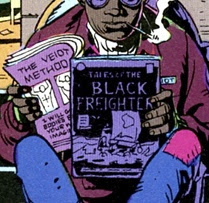
- We see two views from diametrically opposed newspaper publication.
- Letters and Correspondence – We get the case file from the psychiatrist assigned to evaluate Rorschach in prison and the subsequent strain it was causing his personal relationship, we get letters from Sally Jupiter to her daughter (both the stuperheroine Silk Spectre’s of their time) presenting the feelings she has throughout the story.
- The New Frontiersman – A right-wing tablet known for its sensationalist and conspiratorial tone, giving a unique perspective on the world which breathes life into it.
- The Nova Press – A more liberal view that offers critique on the superheroes and their endeavors – marking the ethical implications of their actions.
Each addition to the lore within this book sums it up so that it pushes beyond the boundary of a ancillary content and begins to showcase it as an integral part of the storytelling. It enriches the primary narrative by providing depth, context, and multiple viewpoints – transforming the comic book into a richly layered tapestry. Alan Moore and Dave Gibbons’ innovative use of these materials demonstrates the potential of the comic book medium to tell complex and nuanced stories. This elevation of the medium is something that titillated me and allowed me the wherewithal to push my own ideas into a more robust and meaningful light.
2. Dinotopia

Once again I bring up Dinotopia. I can’t help myself – it is a world that has deeply enchanted me that is worth exploring once again.
Dinotopia is not just a book; it’s an experience. Every time its pages are opened, one is transported to this extraordinary island where dinosaurs and humans live side by side in harmonious unity.


What about it’s setting? It may have one of the most vibrant and ingratiating settings in this entire list. Gurney’s illustrations are nothing short of breathtaking. They are windows into a lush and vibrant world where every corner teems with life and every scene rich with detail. The intricate architecture of places like Waterfall City, with its cascading waters and grandniose structures, or the serene, beautifully terraced Canyon City, feels so tangible. It’s as if you could step right into these pages and explore the cities yourself.
What truly sets it apart, however, is the incredible attention to the daily life and routines of its inhabitans. Gurney includes detailed diagrams and explanations that bring this world to life in a way that feels authentic and lived-in. For instance,, the water distribution systems that cleverly use the island’s natural resources or the detailed maps of dinosaur-human cooperative ventures for transportation and agriculture. These elements make the fantastical seem plausible, immersing you in a world where sustainability and harmony with nature are the norms.
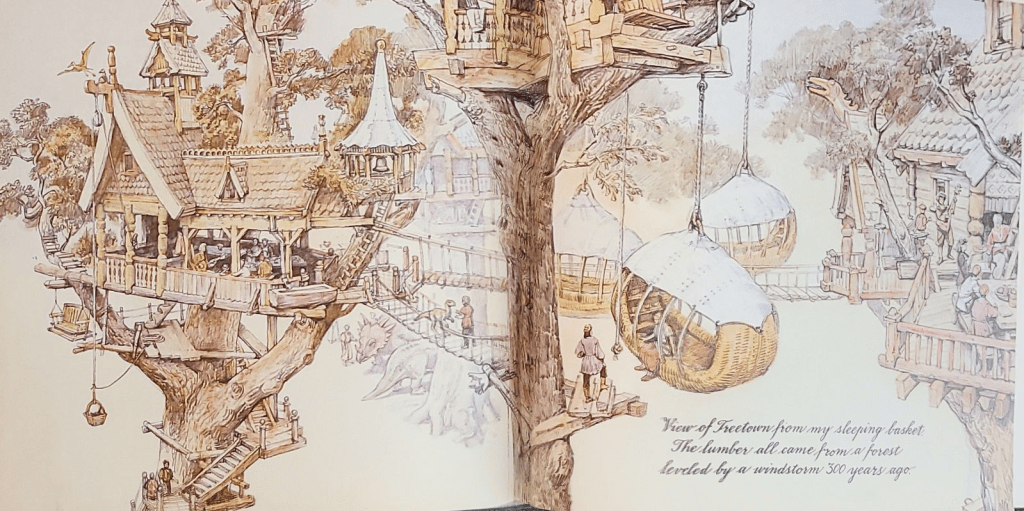
Everyday life in Dinotopia is depicted with such warmth and charm that it’s impossible not to feel a deep connection with its inhabitants. Imagine waking up to the soft rumble of dinosaurs going about their morning routines, or spending your day learning at the grand library of Waterfall City, a hub of knowledge and cultural exchange. The festivals and communal gatherings are painted in vibrant hues, scenes of joy and togetherness make you long to be part of this close-knit community.
One of my favorite aspects of “Dinotopia” is the various ordinary activities displayed in a way that incorporates these beasts to make it into the extraordinary. Farming, for example, is done with the gentle assistance of giant sauropods, and every aspect of life is a blend of the practical and the fantastical. The relationships between humans and dinosaurs are depicted with such depth and emotion. There’s a profound bond of trust and mutual respect, a symbiosis that underpins the entire society.

It comes as no surprise that Dinotopia is one of the major players when I continue my creative journey in “The Omega Children”. While my story is far more narrative focus, I especially want to maintain that day-to-day quality ever present in the works of James Gurney’s Dinosaur masterpiece.
3. Genesis – The Lamb Lies Down on Broadway

Now we’re cooking. Instead of another piece of fiction, I’ve elected to go a bit more esoteric. Gone is the standard telling of a story to instead present an immersive journey that captivates listeners with an intricacy in storytelling that focuses on a rich atmospheric setting.
From the first note, “The Lamb Lies Down on Broadway” transports you to the bustling, chaotic streets of 1970s New York City, where the story of Rael, a Puerto Rican street kid, unfolds. The titular opening track sets the scene with a vivid depiction of the city with an energy and intensity of music that mirrors the relentless pace of New York with an emphasis on its vibrancy and unpredictability. As rael embars on his surreal adventure, Genesis’ masterful composition and Peter Gabriel’s evocative lyrics bring the urban landscapes to life. I could feel the concrete beneath my feet and hear the distant hum of the city that never sleeps.
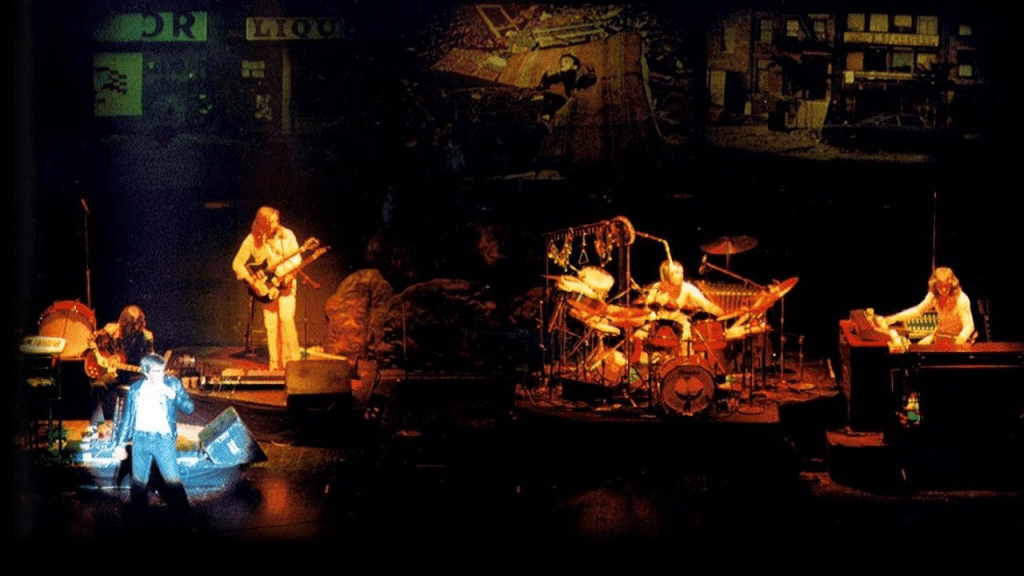
Just like The Watchmen, you’re probably wondering how this creates its own setting? That comes from beyond “Fly on a Windshield” and “Broadway Melody of 1974” once Rael descends into the subterranean world beneath the city in “The Waiting Room” and “The Lamia”. Genesis’ music becomes even more atmospheric an experimental as a result. These tracks evoke the claustrophobic and otherworldly nature of the urban underbelly, drawing you deeper into the story. The haunting melodies and complex arrangements refflect the labyrinthine passages and hidden corners of the city, adding layers of depth and narrative.
“The Carpet Crawlers” and “The Chamber of 32 Doors” further explore the psychological and physical maze that Rael navigates. Here, the city transforms into a metaphorical space, representing Rael’s inner turmoil and quest for identity. The band’s ability to convey such a multi-dimensional setting through music is nothing short of remarkable.
The grand finale, “It,” brings Rael’s journey full circle, returning us to the surface streets of New York. The resolution is both cathartic and enigmatic, leaving listeners contemplating the profound experiences and landscapes they’ve encountered.
In “The Lamb Lies Down on Broadway,” Genesis not only tells a compelling story but also creates a vivid and dynamic setting that is integral to the album’s impact. Through their innovative music and storytelling, they have crafted a timeless piece that allows listeners to traverse the mythic streets of New York City, experiencing every twist and turn alongside Rael. This album is a masterpiece that continues to resonate, offering new discoveries with each listen.
4. Twin Peaks
Created by David Lynch and Mark Frost, Twin Peaks is a masterful blend of mystery, drama, and surrealism, and its setting plays a crucial role in its lasting appeal. The show is set in the seemingly idyllic small town of Twin Peaks, nestled in the misty, forested mountains of the Pacific Northwest. This backdrop is more than just a picturesque landscape; it is a character in itself, contributing to the show’s eerie and atmospheric charm.

From the very first episode, the majestic Douglas firs, the hauntingly serene Twin Peaks waterfall, and the ubiquitous fog create an otherworldly ambiance that is both beautiful and unsettling. The town’s isolation, surrounded by dense, dark woods, enhances the sense of mystery and foreboding that permeates the series. The setting underscores the dual nature of Twin Peaks: a place where the ordinary and the supernatural coexist, and where the veneer of small-town simplicity hides deep and complex secrets.

The local landmarks, such as the Great Northern Hotel, the Double R Diner, and the iconic “Welcome to Twin Peaks” sign, are not just settings for the action but integral parts of the narrative that deepen the viewer’s immersion into this enigmatic world. The juxtaposition of cozy, familiar places with the bizarre and often disturbing events that unfold there adds to the show’s unique tension and intrigue.
Moreover, the lush, green landscapes and the tranquil yet mysterious atmosphere of Twin Peaks draw viewers into a place that feels timeless and almost mythic. The setting provides a perfect canvas for Lynch and Frost to explore themes of darkness lurking beneath the surface of everyday life.
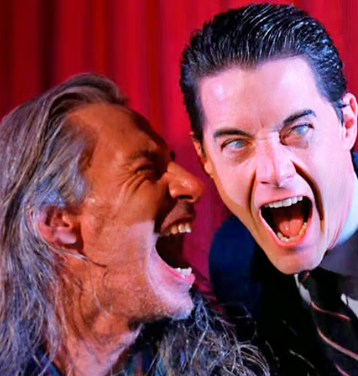
I think it comes as no surprise that Twin Peaks has captivated me since I was a mere child, deeply coloring my malleable outlook on life in a way that transformed me into who I am to this day. I fondly recall forcing each person whom was caught in the trap that is “Hey lets come over and hang out” in high school only to be subjected to a deluge of Twin Peaks viewings.
5. Robot Jox
Stuart Gordon, the man who brought us the incredible Lovecraft inspired classics like Re-Animator, From Beyond, and Dagon decided to take a different route when he made Honey, I Shrunk the Kids. From there what was left? Well, apparently it was a wild ride in the Giant Mech genre that is the next entry in this list: Robot Jox!

Picture a future where wars are fought not by armies, but by gargantuan robots piloted by the bravest (or perhaps the most reckless) of men. This is a world where nations have traded diplomacy for mechanical brawls, and international disputes are settled in a colossal metal ring. Forget the United Nations; here, it’s all about the United Exoskeletons – god damn right.
The setting of “Robot Jox” is a post-apocalyptic wonderland where the Cold War has simmered down not into peace, but into giant robot fistfights. The geopolitical tension of our world is replaced by an epic showdown of steel titans, each controlled by a jock with a joystick and a death wish. It’s a setting where every dispute, no matter how minor, is resolved by the clanging, banging, and occasionally flying fists of massive mechanical warriors.
Gordon seemed immensely unimpressed with creating a plausible future; they instead went down and dirty to create a society entirely driven by the spectacle of these robotic duels. The arenas are not mere battlegrounds but grand coliseums, where the populace gathers with bated breath, much like ancient Romans awaiting a gladiatorial bout.
Moreover, the world-building extends into the minutiae of everyday life. The pilots, or ‘jox,’ are treated like modern-day gladiators, complete with their own cult followings and endorsements. There’s a certain comedic brilliance in seeing the juxtaposition of high-stakes robot combat with the mundane celebrity life of a jock who might be signing autographs one moment and dodging a missile the next.

And then there’s the technology! Oh, the technology! This is a world where engineers aren’t just building better smartphones or electric cars; they’re crafting 100-foot-tall combat robots equipped with everything from chainsaws to lasers. It’s as if the entire field of engineering had a collective epiphany that what humanity truly needed wasn’t cleaner energy or faster travel, but the ability to punch each other with skyscraper-sized fists.
In “Robot Jox,” the setting is a character in itself, a dystopian playground where the stakes are high, the robots are higher, and the only thing more explosive than the action is the creativity behind it all. It’s a world where suspension of disbelief isn’t just encouraged; it’s mandatory. So strap in, grab your popcorn, and enjoy the ride, because in the world of “Robot Jox,” every clash of titans is a symphony of metal mayhem and a testament to the limitless bounds of cinematic imagination.
6. Dark City
Who can talk about world building and setting and not bring up Alex Proyas’ Dark City – a Neo-neo-noir science fiction that transports you to a reality that is both satisfying and unsettling.
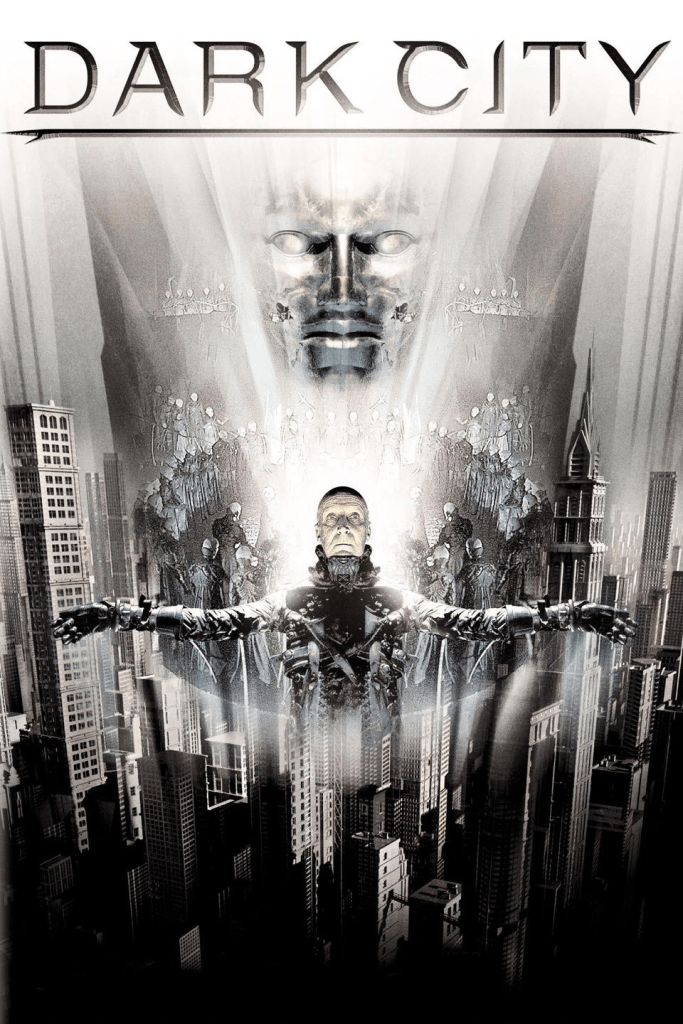
From the moment you begin this film, the setting stands out as its most striking element. Set in a perpetually night-shrouded city, a place where time seems to have frozen in a dystopian blend of Art Deco and noir aesthetic, the cityscape’s labyrinthine streets, towering buildings, and ominous shadows evoke a sense of claustrophobia and mystery. The lack of daylight no only adds to the film’s eerie atmosphere but also serves as a metaphor for the characters’ confusion and lack of awareness over their own reality.
The architecture and design are meticulously crafted, combining elements of 1930-40s urban landscapes with futuristic surreal touches. This anachronistic blend creates a timeless quality, making the city itself feel like a character with its own secrets and mood. The use of practical effects and miniatures enhances the tactile and realistic feel of the setting, grounding the fantastical elements of the story in a visually coherent world.
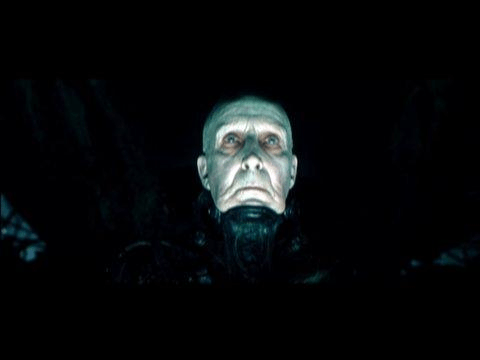
Gradually revealed complexities of the rules set within this universe adds world-building that feels natural compared to a lore dump of exposition, though exposition is not something that Proyas is afraid of. The film instroduces the Strangers – truly enigmatic beings who manipulate the city and its inhabitants. Their ability to alter the environment and erase memories adds a layer of psychological horror and existential dread. The Strangers’ underground lair has an organic, almost insect-like design, which contrasts starkly with the urban environment above, emphasizing the alien nature of these beings.

Reality here is malleable, changing shape with building that contort and transform – creating a sense of unease and unpredictability, as neither the characters nor the audience can trust what they see or remember. The visual effects, while dated, effectively convey these disorienting changes despite this movie coming out decades prior to Inception.
Dark City is a masterclass in setting, offering a richly detailed and immersive environment which I could only dream to capture with my own works.
7. Harry Potter
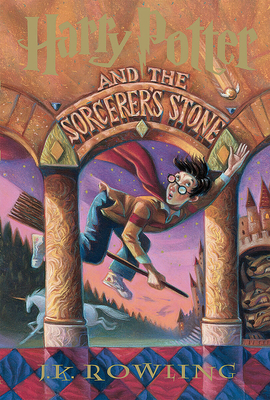
First thing’s first: I’m sorry. I try and I try and I try but nothing can get around the fact that Harry Potter – perhaps the most obvious of obvious entries in a list about world building and setting – was always going to be included here despite my protestation over including the larger contenders. Few literary universes capture the imagination quite like J.K. Rowing’s creation, though. I frequently found (and still find myself) transported to the cobbled streets of Hogsmeade, the hallowed halls of Hogwarts, and the bustling shops of Diagon Alley. These settings are not just backdrops for the adventures of Harry, Hermione, and Ron; they are living, breathing entities that invite us to step inside and explore.
Hogsmeade, with its quaint charm and festive atmosphere, is a place I often dream of visiting. The Three Broomsticks, Honeydukes, and Zonko’s Joke Shop are not just stores in a book; they are destinations in my imagination. I can almost taste the frothy Butterbeer, feel the warmth of a crackling fire in the tavern, and hear the jingle of the bell as I enter Honeydukes, greeted by the sweet aroma of chocolate frogs and Bertie Bott’s Every Flavor Beans. The village, always depicted with a layer of snow or the vibrant colors of the fall, is a magical escape that feels both fantastical and strangely real.

Then there’s Hogwarts, the very heart of the wizarding world. The castle, with its ever-changing staircases, secret passageways, and sentient portraits, is a character in its own right. Attending classes like Transfiguration with Professor McGonagall, Potions with Professor Snape, or Defense Against the Dark Arts (despite its revolving door of teachers) is a dream that never fades. The Great Hall, with its enchanted ceiling reflecting the sky above, is a place of wonder where every meal is a feast and every occasion is celebrated with grandeur. The thought of sitting in the stands to watch Quidditch matches (because, let’s face it, I am not playing that game), exploring the Forbidden Forest, or simply studying in the library under the watchful eyes of Madam Pince fills me with a yearning that no ordinary school experience could ever match.
Living a normal life as a wizard, however, is perhaps the most tantalizing thought of all. Picture waking up in a cozy, book-filled house, casting a quick spell to brew a perfect cup of tea, and stepping into a world where magic is part of the mundane. Diagon Alley would be the place to shop for everyday essentials, from wand polish at Ollivander’s to spellbooks at Flourish and Blotts. The Ministry of Magic would be the career aspiration, not unlike dreaming of working in the most prestigious offices of the Muggle world, but with the added excitement of magical law and creature regulation. Even the simple act of sending an owl to a friend or watching a wizarding wireless broadcast would add a layer of enchantment to daily life.
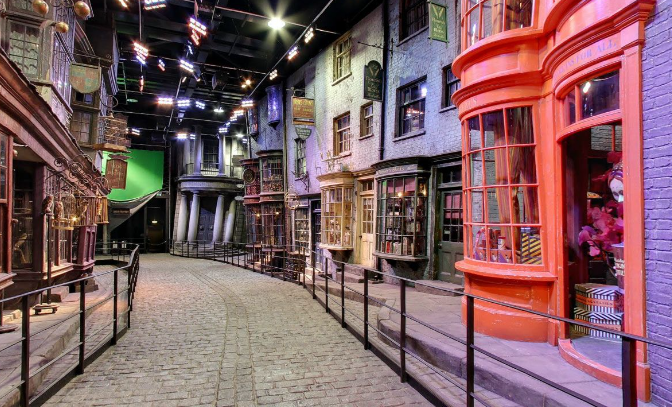
The allure of Harry Potter’s world lies in its rich detail and immersive settings. J.K. Rowling crafted not just a story, but an entire universe that beckons readers to lose themselves in its magic. Each location, from the hidden nooks of Hogwarts to the bustling platforms of King’s Cross Station, is meticulously designed to captivate the senses and spark the imagination. For many of us, these places represent more than fictional settings; they are destinations we visit in our dreams, havens from the ordinary where we can live out adventures, experience camaraderie, and, most importantly, believe in magic.
Never even mind the disappointment that came with the Fantastic Beasts film series. The first movie offered a promising expansion of the wizarding world, introducing new characters and a fresh setting in 1920s New York. Yet, as the series progressed, it seemed to lose its way, bogged down by convoluted plots and an overemphasis on fan service at the expense of coherent storytelling. What began as an exciting journey into a new era of magic unfortunately failed to capture the same wonder and depth that made Harry Potter so beloved. But even that doesn’t satiate my desire for more lore.
In a world that often feels mundane and predictable, the world of Harry Potter offers a refuge, a place where the impossible is possible and the ordinary becomes extraordinary. Despite the letdown of the Fantastic Beasts series, the original magic of Harry Potter’s world remains undiminished. It is a world where I, and countless others, would gladly lose ourselves, if only for a spell.
I want to keep going, but let’s end it here
In exploring the intricacies of setting and world-building across a diverse array of mediums, from graphic novels to music albums, films, and literature, it becomes evident that the potency of a narrative often lies in its ability to transport audiences into a meticulously crafted universe. From the intricate urban sprawl of a dystopian metropolis to the enchanting halls of a magical school, each setting serves as more than just a backdrop; it becomes a character in its own right, shaping the actions and experiences of those within its confines.
The Watchmen invites us into an alternate reality where the gritty streets of a crime-ridden city mirror the moral complexities of its inhabitants – utilizing ancillary content to breath even more life into its sprawling streets – while Dinotopia sparks our imagination with its lush landscapes and harmonious coexistence between humans and dinosaurs. Genesis’ The Lamb Lies Down on Broadway takes us on a surreal journey through the labyrinthine streets of New York City, blurring the lines between reality and fantasy, while Twin Peaks immerses us in a small town shrouded in mystery and supernatural intrigue.
Robot Jox, Dark City, and Harry Potter each offer unique visions of their respective worlds, whether it’s the epic battles between giant robots in a dystopian future, the nightmarish cityscape where memories are manipulated, or the whimsical halls of Hogwarts School of Witchcraft and Wizardry.
So, as we bid adieu to this whirlwind tour of fictional locales, let’s raise a toast to the power of setting and world-building—to the places that make us laugh, cry, and occasionally scratch our heads in confusion. After all, where else can you find dinosaurs and detectives rubbing elbows, or wizards battling it out with wands and witty one-liners? Here’s to the wild, wacky worlds of storytelling—may they always keep us guessing and grinning in equal measure!
 Ginothy Tonic
Leave a comment